
Recycled Eco-Friendly Fabric from Waste Fabric Recycling | High-Performance Textile Manufacturer | U-LONG
Recycled Eco-Friendly Fabric from Waste Fabric Recycling manufacturer. The green value and market trend of recycled fabrics
Recycled fabrics have a profound impact on the environment and sustainable development by effectively reusing a large amount of waste fabrics, reducing the proportion of waste fabrics disposed of or burned, which is crucial for reducing greenhouse gas emissions and alleviating the burden on the environment.
In addition to increasing recycling rates, it also directly reduces the consumption of natural resources.
The carbon footprint of recycled fabrics is close to zero in product calculation, and the manufacturing process requires less energy consumption, directly and effectively reducing the burden on the environment.
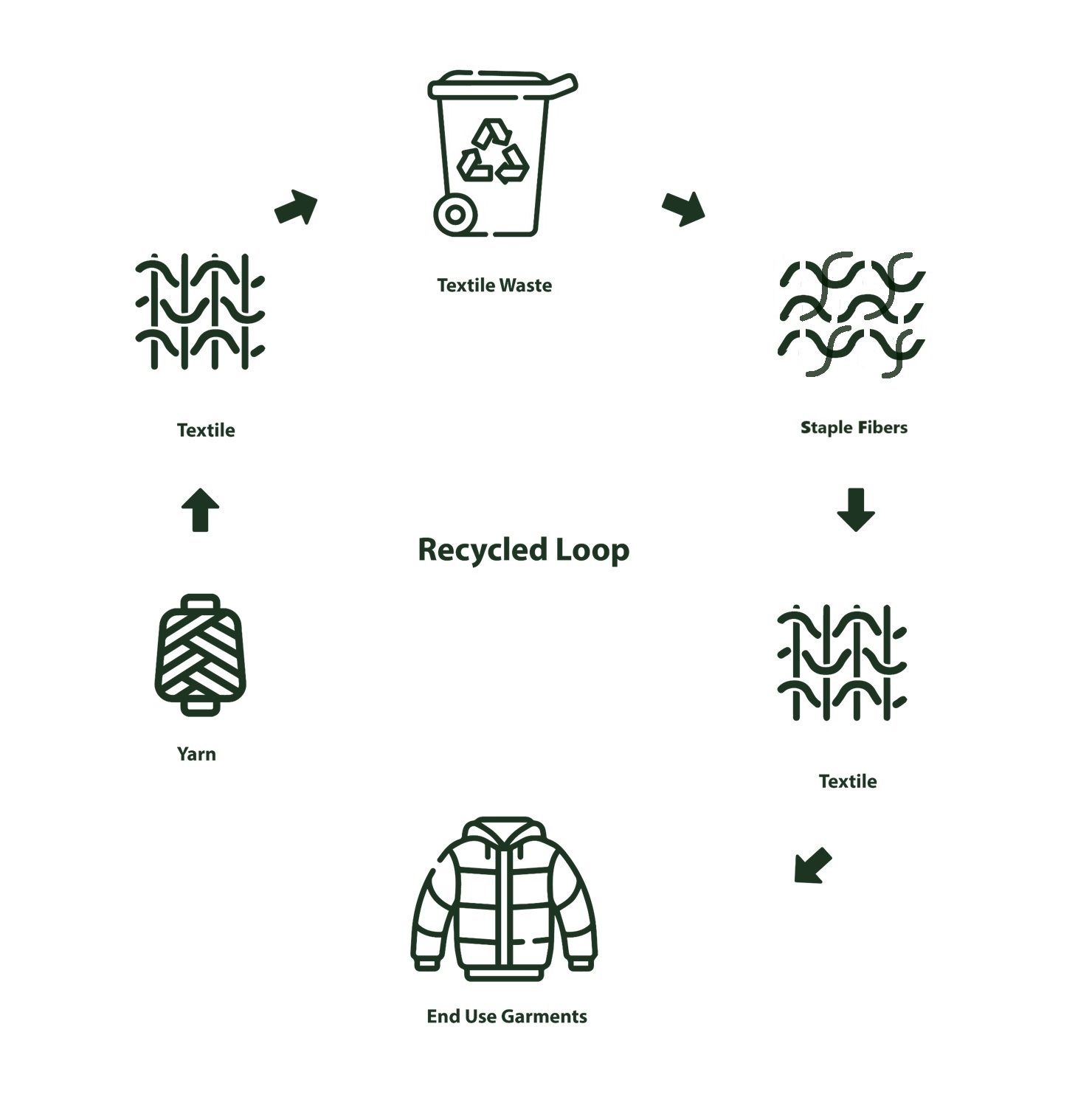
Recycling waste fabrics for reuse can promote the development of a circular economy, where products can achieve zero waste, forming a cradle-to-cradle (C2C) product life cycle, thereby achieving a balance between green value and economic benefits.
Recycled Fabric Production Plan
A comprehensive recycled fabric production plan is established in the factory, where industrial waste generated during the production of woven fabrics, such as waste fabrics and fabric scraps, is reprocessed to produce yarn, which is then re-integrated into fabrics to create new and high quality recycled eco-friendly fabric from waste cloth recycling fiber.
The quality and supply volume of recycled fabrics directly affect market acceptance. Producing high-quality recycled fabrics requires high-quality waste fabrics. The company has established a complete waste fabric recycling production process in the factory to retain high-quality and pure materials, ensuring an adequate supply of products.
In conclusion, the green value and market trend of recycled fabrics are very positive. By effectively reusing waste fabrics, not only can the burden on the environment be reduced, but also consumer demand for environmentally friendly and sustainable products can be met, promoting the development of a circular economy. The company will continue to focus on producing high-quality recycled fabrics to meet market demand, while protecting the environment and achieving sustainable development goals. U-long is a high-quality Recycled Eco-Friendly Fabric from Waste Fabric Recycling manufacturer from Taiwan since 1983.
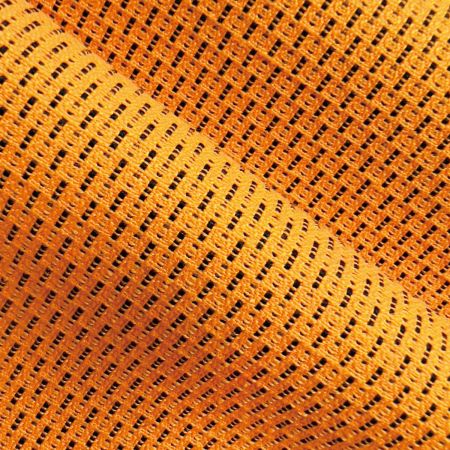
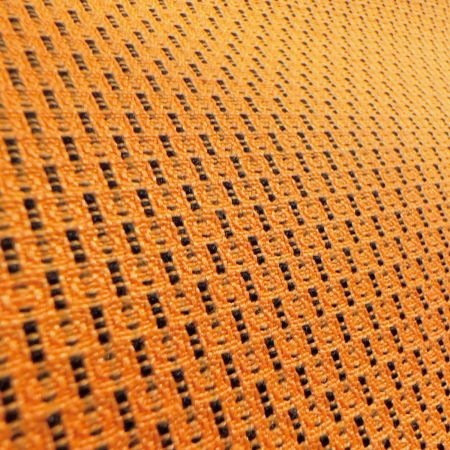
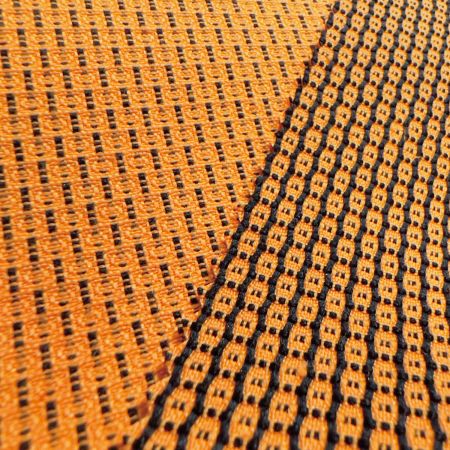
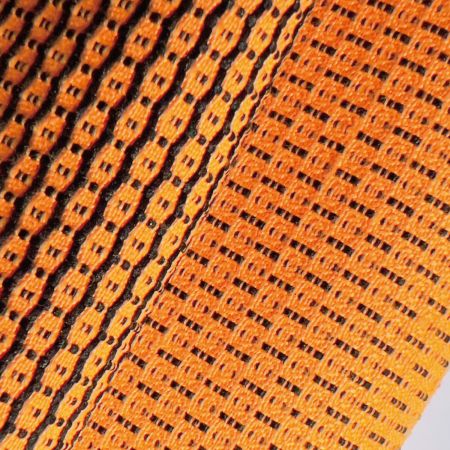
Recycled Eco-Friendly Fabric from Waste Fabric Recycling
Q23W001
Recycled Eco-Friendly Fabric from Waste Fabric Recycling
The green value and market trend of recycled fabrics
Recycled fabrics have a profound impact on the environment and sustainable development by effectively reusing a large amount of waste fabrics, reducing the proportion of waste fabrics disposed of or burned, which is crucial for reducing greenhouse gas emissions and alleviating the burden on the environment.
In addition to increasing recycling rates, it also directly reduces the consumption of natural resources.
The carbon footprint of recycled fabrics is close to zero in product calculation, and the manufacturing process requires less energy consumption, directly and effectively reducing the burden on the environment.
Recycling waste fabrics for reuse can promote the development of a circular economy, where products can achieve zero waste, forming a cradle-to-cradle (C2C) product life cycle, thereby achieving a balance between green value and economic benefits.
Recycled Fabric Production Plan
A comprehensive recycled fabric production plan is established in the factory, where industrial waste generated during the production of woven fabrics, such as waste fabrics and fabric scraps, is reprocessed to produce yarn, which is then re-integrated into fabrics to create new and high quality recycled eco-friendly fabric from waste cloth recycling fiber.
The quality and supply volume of recycled fabrics directly affect market acceptance. Producing high-quality recycled fabrics requires high-quality waste fabrics. The company has established a complete waste fabric recycling production process in the factory to retain high-quality and pure materials, ensuring an adequate supply of products.
In conclusion, the green value and market trend of recycled fabrics are very positive. By effectively reusing waste fabrics, not only can the burden on the environment be reduced, but also consumer demand for environmentally friendly and sustainable products can be met, promoting the development of a circular economy. The company will continue to focus on producing high-quality recycled fabrics to meet market demand, while protecting the environment and achieving sustainable development goals.
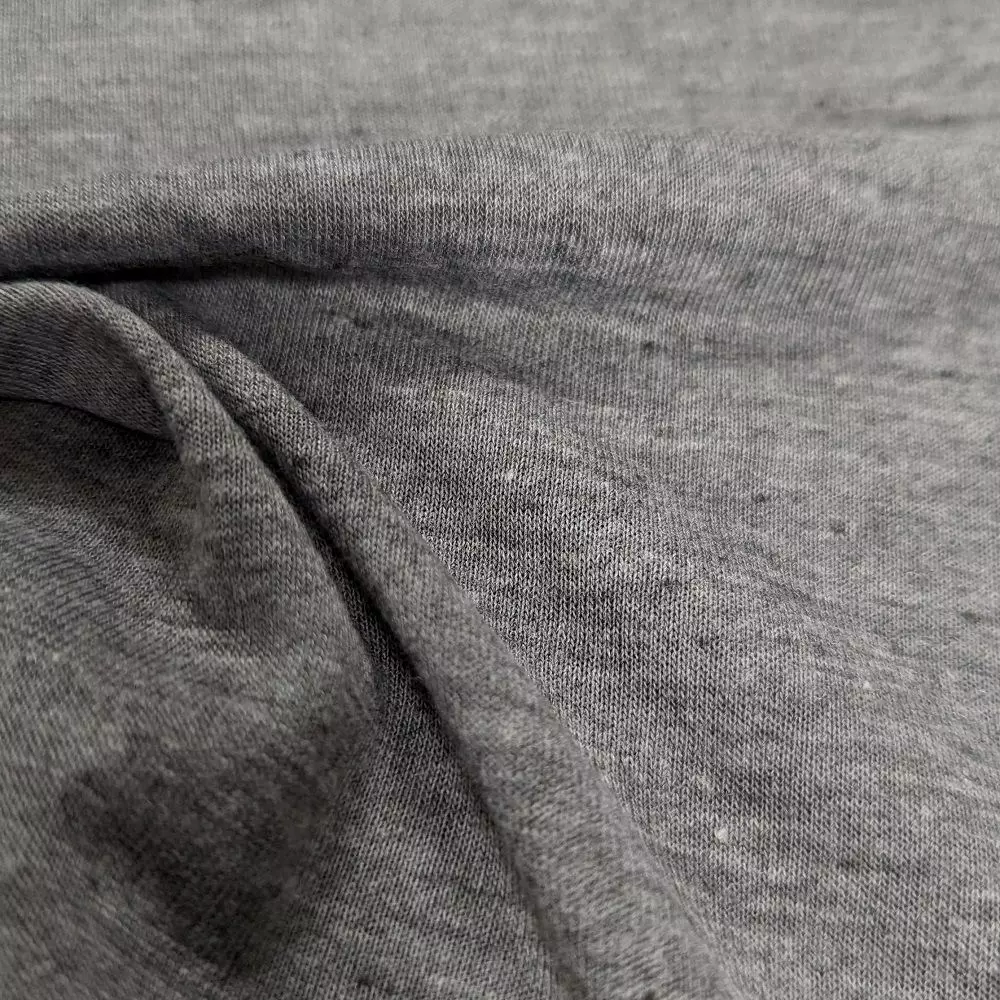
Recycle & Eco Friendly Greige Specific Features
- Environmental recycling
- Reduce carbon dioxide emissions
- Eco-friendly manufacturing processes
- Environmentally friendly
- Easy to care
Specification
- Woven
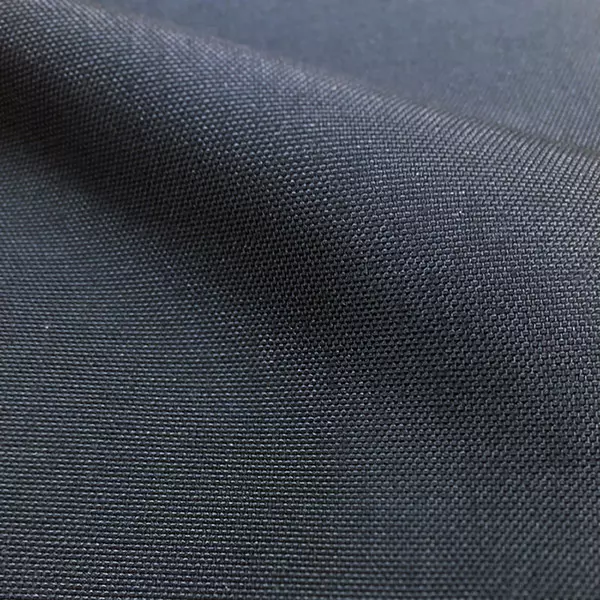
- Waste Cloth Recycling Fiber+Recycle PET
- T300 D+T1200D× TS15+T1200D
- Yarn’s Brightness : Semi-dull
 ECO Friendly Fabric
 Recyclable Fabric

Popular Products
 Download
Recycled Eco-Friendly Fabric from Waste Fabric Recycling | U-long
Located in Taiwan since 1983, U-Long High-Tech Textile Co., Ltd. has been a textile and fabric manufacturer. Their main fabrics and textiles, include Recycled Eco-Friendly Fabric from Waste Fabric Recycling, high tenacity yarns, industrial and complementary textiles, sustainable and biodegradable textiles, knitted fabrics, woven fabrics and functional fabrics, especially for the functional fabrics, hyperbreeze, 3D structure, anti-odor and durable fabrics are U-long's specialties.
U-LONG was established in 1983 as a core enterprise of Nam Liong Group. Originally founded to produce special industrial fabrics, the company gradually expanded into the field of high-value stretch fabrics through cutting-edge research and development. As being Taiwan largest, greatest and most professional woven stretch manufactory, U-LONG continuously imports diverse advanced computerized manufacture facilities and employs professional specialists. The finished fabric are for various applications including Apparel (Function & Fashion), Bags (Luggage), Shoes, Industrial use, Protection use, and Home textile.
U-long has been offering customers high-quality fabrics and textiles since 1983, both with advanced technology and 48 years of experience, U-long ensures each customer's demands are met.